I’ve been thinking—maybe overthinking—about something lately: what happens to juniors in a world where AI does all the “junior work”?
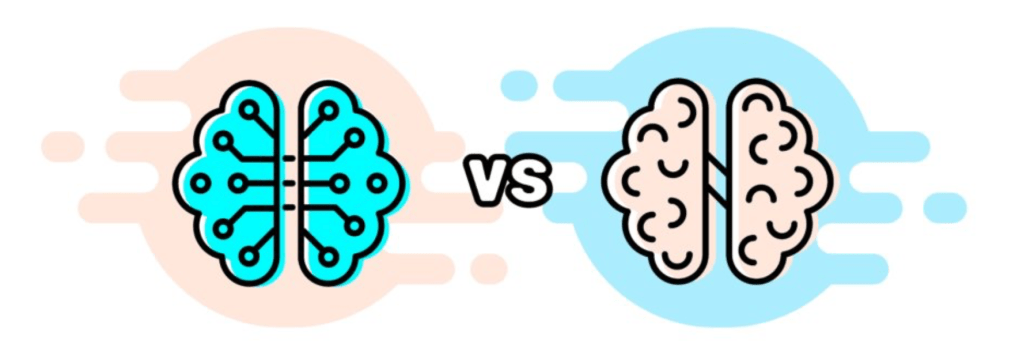
You know what I mean. The stuff many of us learned from: writing up meeting notes, pulling reports, cleaning data. Fixing that weird bug nobody else wanted to touch.
The kind of work that used to teach you, let you make small mistakes, slowly build confidence, and earn trust. Now AI handles it, instantly.
If no one learns, who becomes senior?
That’s the part I can’t stop circling back to. If the juniors never get their reps in, how do they become seniors? Who learns how to challenge the AI when it’s wrong? Who builds the gut instinct you only get from failing and figuring it out?
It’s ironic: we don’t need juniors to do the work anymore, but we need them more than ever to grow into people who can lead when the work gets hard.
Som my take – the question isn’t whether we still need junior roles—it’s how we redesign them for an AI-dominated world.
Some futures I can imagine (that might be totally wrong)
Honestly, this might all change in six months, but here’s where my mind goes right now:
1. Micro-Gig Juniors
People get their start by doing small jobs AI can’t finish—odd bugs, messy data, one-off tasks. They earn money, build skill, and slowly level up through repetition and reputation.
2. Apprentice Tracks 2.0
Companies bring in juniors for short, paid projects—not just to observe, but to do, with real coaching.
Not internships as free labor, but structured sprints with feedback and outcomes.
3. Open-Source as the New Résumé
Instead of work history, people showcase GitHub commits, AI prompts they’ve mastered, documentation they’ve written. Your portfolio is public, messy, real—and that becomes your signal.
Maybe all of these will happen. Maybe none. Maybe AI will evolve so fast it learns to do those gigs too, and we’ll need a new idea entirely.
What about everyone left out?
Let’s be honest, many jobs will disappear — starting with the repetitive, linear, checklist-driven ones — and not everyone will have the time, support, or safety net to “just reskill” in a few weeks. Without serious action, we’re at risk of building a very efficient system that quietly leaves millions behind.
So what needs to happen?
This isn’t a problem one company or school can fix alone. If AI is changing how we work and grow, we need everyone to step up—together.
Governments need to fund and promote lifelong learning, not just formal schooling. Schools must evolve their curriculums to build not just tech skills, but adaptability, judgment, and the ability to think with (and beyond) AI. Companies need to give juniors space to grow, even if the bot could do it faster. They’re not training people for today—they’re investing in their future leaders.
Communities, nonprofits, and professional groups need to step in to support people who are being pushed out of old jobs—by giving them real, practical help like training access, mentorship, and small job opportunities. It’s not enough to tell people to “be agile”—we have to actually help them make the jump.”
We can’t slow AI down, but we can decide what kind of world we want to build around it.
Final thought
If we stop learning altogether—if we become too comfortable outsourcing our thinking—then who’s left to question the machine?
And it’s not just about knowledge: with instant access to polished answers, we slowly lose the muscle of asking good questions. We forget how to crawl through ambiguity, how to connect dots, how to wrestle with uncertainty long enough to understand something deeply.
The process of learning—the struggle, the searching, the dead ends—is what shapes real judgment and without it, we risk raising a generation that knows how to prompt but not how to think.
The juniors of tomorrow are there to become the people who still know how to think when the system gets it wrong. If we don’t protect that learning journey, we’ll wake up one day with no juniors, no seniors, and no one left to steer the ship. Just bots, and blank stares.
Let’s not let it get to that :-).
 Behind the Firewall: Notes of a Punk CIO
Your turn—what’s on your mind?