Every launch room has its own ecosystem. There are the calm problem-solvers, the quiet doers… and then there are the this is the end-of-the-world people.
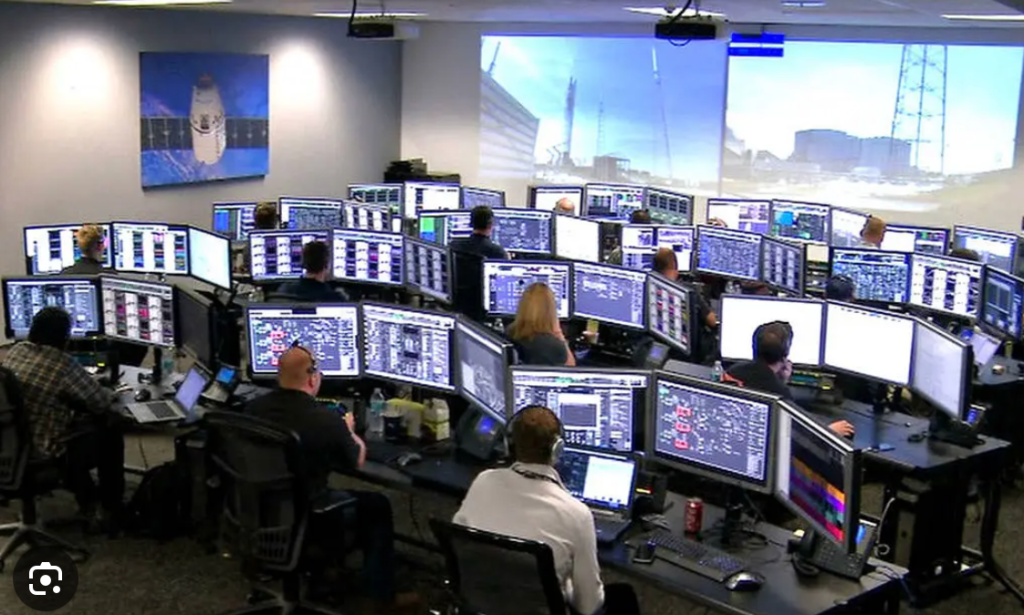
You know them: every problem is a catastrophe, every hiccup is proof that the project is a failure. If this would not be enough already, some come with an unnecessarily bitter edge, broadcasting stress and bad vibes like a bad radio signal. They don’t fix things; they just make the room noisier
One of the most underestimated skills in these moments is listening. Not waiting for your turn to talk — actually listening. I’ve caught myself more than once saying, “Exactly! This is what I also wanted to say!” Which, if we’re honest, is just ego in disguise. Actually I think the best moments in a launch room are when someone says something better than you could, and you let their voice carry.
Listening also means engaging the business early and keeping them in the loop systematically all the time. A launch room can’t be an ivory tower. If you design it to work in isolation, you’ll miss critical context and waste precious minutes on what you think is important and turns out it’s not. Proactive collaboration is part of the design, not an afterthought.
And when the pressure is on, the signal-to-noise ratio gets ugly fast. You need people in the room who can distill the chaos, pull out the few things that actually matter and make decisions without getting distracted by every side conversation or “urgent” email.
Rules of engagement matter too. One of mine: never put all your bets on one number. For mission-critical items, always try to develop a plan B, even if with compromises. That doesn’t mean bloating the backlog with 50 fallback scenarios, but the essentials – e.g. the “if this fails, we’re not dead in the water” list – are worth some effort; you will need some, things never go 100% your way.
And finally, the heroics question. My rule? Aim for reasonably OK plus one hero mode. Perfect is possible — ask NASA — but unless you’re literally launching a rocket, you probably don’t need it. Focus your hero energy where it matters most, which, paradoxically, isn’t always obvious during the project itself (see my recent post on how projects expand to fill all available space, like gas.)
Summarising: connect, cut the noise, check your ego, have a fallback and save your hero mode for the moments that truly matter.








 Behind the Firewall: Notes of a Punk CIO
You must be logged in to post a comment.